Box Styles: RSC, FOL, Mailers & More
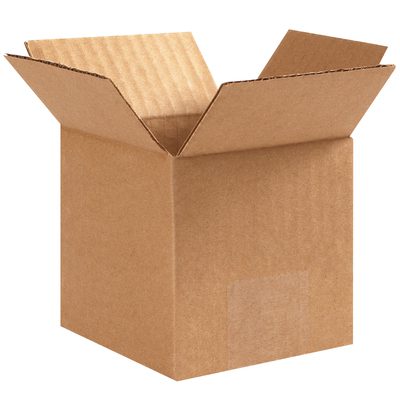
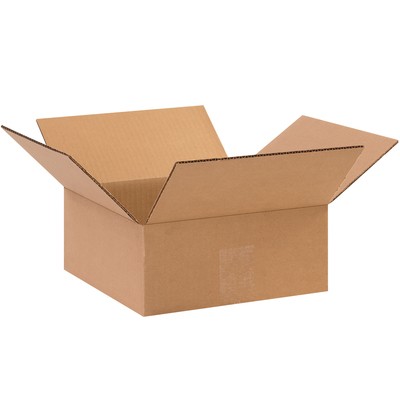
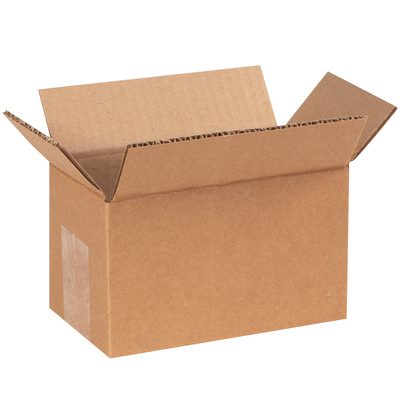
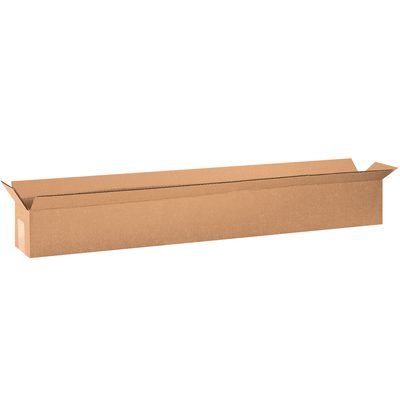
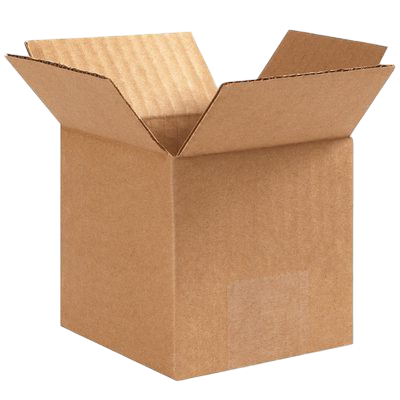
The most common shipping box is the RSC (Regular Slotted Container) — all four flaps are the same length and meet at the center when the box is closed. RSC boxes are cost-effective and easy to seal with tape or a box sealer.
Other common styles include:
- FOL (Full Overlap Slotted): The outer flaps fully overlap, giving extra bottom strength — ideal for heavy items.
- HSC (Half Slotted Container): Has a bottom but no top flaps; loaded from the top and covered with a lid — common for display and retail packaging.
- Mailer boxes: Self-locking with tuck-in flaps, no tape needed — popular for e-commerce subscriptions and retail unboxing experiences.
- Die-cut boxes: Custom shapes for non-standard products; cost more per unit but eliminate excessive void fill.
Flute Grades: A, B, C, E, and F
The corrugated flute is the wavy layer between the flat linerboard sheets. Different flute sizes offer different properties:
| Flute | Thickness | Best For |
|---|---|---|
| A-Flute | ~5mm | Maximum cushioning; fragile items |
| B-Flute | ~3mm | Cans, glass, display boxes; good crush resistance |
| C-Flute | ~4mm | Most common general shipping box |
| E-Flute | ~1.5mm | Fine printing, retail packaging, cosmetics |
| F-Flute | ~0.8mm | Very thin; luxury retail, small electronics |
Double-wall boxes combine two flute layers (e.g., BC-flute) for significantly higher strength. Use double-wall for items over 65 lbs or when stacking weight is a concern.
Strength Ratings: ECT vs. Mullen Burst
Corrugated boxes are rated by two different strength measurements:
- ECT (Edge Crush Test): Measures how much weight the box can support on its edge — the critical factor for stacked pallets. ECT-32 is the standard for most shipping; ECT-44 or ECT-51 for heavy items. Most major carriers accept ECT-rated boxes.
- Mullen Burst (lbs/sq in): Measures resistance to puncture. A 200# Mullen box is the older standard, used when carriers specify "test" weight. Mullen boxes often use more material and weigh more.
For most B2B shipping applications, ECT-32 single-wall is sufficient. For palletized freight with heavy stacking loads, use ECT-44 or double-wall.
How to Choose the Right Box Size
Box dimensions are always listed as Length × Width × Height (interior dimensions). To size correctly:
- Measure your product's L×W×H.
- Add 1–2 inches per dimension for cushioning material (foam, bubble wrap, paper).
- For fragile or heavy items, add 2–3 inches and use double-wall.
- When shipping by weight, avoid oversized boxes — dimensional weight pricing charges for unused space.
Buying in Bulk: Bundles vs. Pallet Quantities
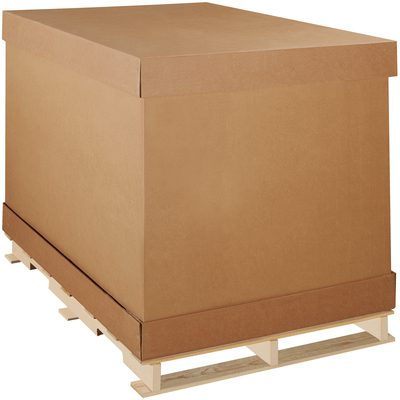
Corrugated boxes are priced per unit, with significant discounts at pallet quantities (typically 500–3,000 units depending on box size). Buying by the pallet reduces per-unit cost by 20–40% versus buying by the bundle. If you ship consistent box sizes, stocking a 30–90 day supply on pallet quantities is almost always more economical.
MH-USA offers quantity pricing on corrugated boxes. Call 1-800-326-4403 or submit a quote request for volume pricing on 500+ units.