Adhesive Types Compared
| Type | Adhesive | Temp Range | Best For | Cost |
|---|---|---|---|---|
| Acrylic | Water-based polymer | -22°F to 140°F (long-term) | E-commerce, retail, general shipping | Low |
| Hot Melt | Synthetic rubber | -22°F to 120°F | Cold boxes, recycled cartons, high-speed machines | Medium |
| Natural Rubber | Natural latex rubber | -40°F to 120°F | Aggressive immediate bond; cold, dusty, rough surfaces | Medium-High |
| Flatback | Rubber-based | -20°F to 150°F | Bundling, masking, printing — not for sealing | Medium |
| Filament (Strapping) | Rubber + fiberglass | -20°F to 150°F | High-weight bundling, tamper evidence | High |
Acrylic Tape: The Standard for Most Shipping
Acrylic tape is the dominant choice for e-commerce, retail, and general commercial shipping because:
- Clear and clean-splitting — looks professional and is easy to apply manually or with a machine.
- UV-resistant — won't yellow, cloud, or lose adhesion over months of storage.
- Temperature-stable — maintains adhesion through typical warehouse and transit temperature ranges.
- Long shelf life (up to 18 months stored properly).
- Lowest cost per roll for standard applications.
Limitation: Acrylic tape does not bond well to dusty, recycled, or low-surface-energy surfaces, and loses initial grab in very cold conditions during application.
Hot Melt Tape: Cold Storage & High-Speed Machines
Hot melt tape is preferred when:
- Cartons are in cold storage or enter freezers after sealing.
- Boxes are made from recycled content (which has lower surface energy).
- The packaging line uses automated taping machines operating at high speed — hot melt provides immediate aggressive bond.
- Irregular or dusty box surfaces need a stronger initial grab.
Mil Thickness & Width Selection
Tape thickness (mil) determines tear resistance and holding strength. Width determines bond area:
- 1.6–1.8 mil: Light-duty; boxes under 30 lbs with uniform, clean surfaces
- 2.0–2.2 mil: Standard duty; boxes 30–60 lbs — most common commercial choice
- 2.5–3.1 mil: Heavy duty; boxes over 60 lbs, rough or recycled surfaces
Width: 2 inches is the industry minimum for carton sealing per ISTA guidelines. Use 3 inches for heavy boxes, high-value shipments, or boxes with larger flap gaps.
Application Methods
- Hand dispensers: Manual application; fast for low volumes. Choose a dispenser with a blade guard for safety.
- Semi-automatic tape machines: Operator feeds box; machine applies tape automatically. Ideal for 50–500 boxes/day.
- Automatic tape machines: Fully automated; boxes conveyor through the machine. Ideal for 500+ boxes/day.
Shop Packaging Tape
Shop All Tape →
"Approved" Tape Logic® Messaged Carton Sealing Tape (36 Rolls/Case)
$94.22
Shop Now →
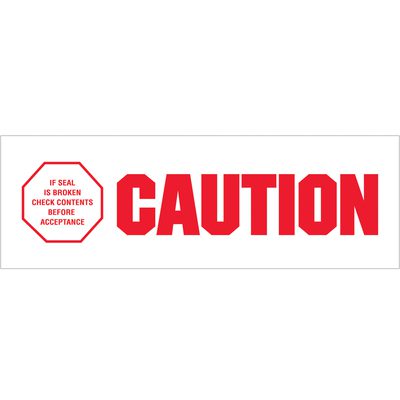
"Caution - If Seal Is Broke" (6 Pack) Tape Logic®Messaged Carton Sealing Tape
$37.83
Shop Now →
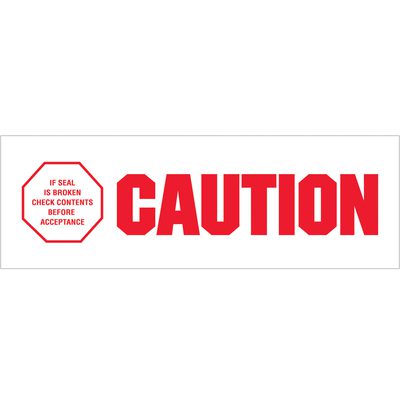
"Caution - If Seal Is Broken..." Tape Logic® Messaged Carton Sealing Tape (36/Ca
$85.77
Shop Now →
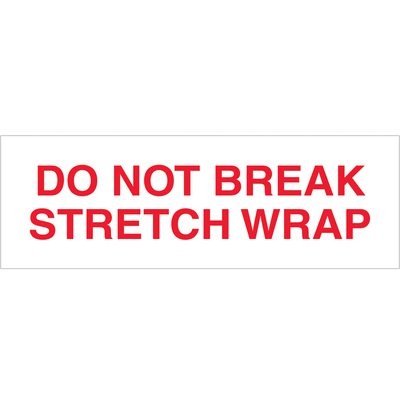
"Do Not Break Stretch Wrap" (18 Pack) Tape Logic®Messaged Carton Sealing Tape
$83.85
Shop Now →
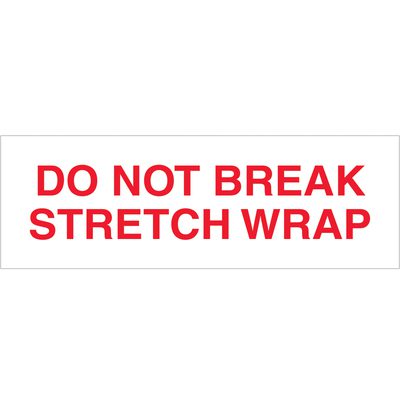
"Do Not Break Stretch Wrap" Tape Logic® Messaged Carton Sealing Tape (36 Rolls/C
$85.65
Shop Now →
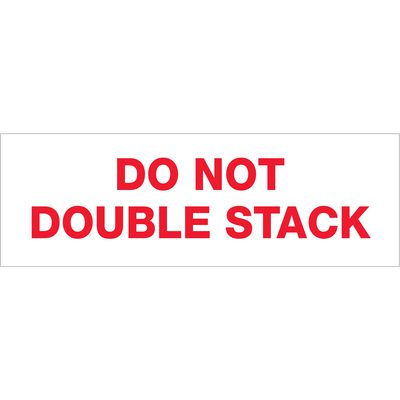
"Do Not Double Stack..." (6 Pack) Tape Logic Pre-Printed Carton Sealing Tape
$77.75
Shop Now →
Frequently Asked Questions
What is the difference between acrylic and hot melt packaging tape?
Acrylic tape uses a water-based adhesive with excellent UV and temperature resistance — the standard for e-commerce and retail shipping. Hot melt tape bonds immediately and aggressively, performing better in cold storage, on recycled boxes, and in high-speed automated tape machines.
What mil thickness packaging tape do I need?
For boxes under 30 lbs: 1.6–1.8 mil. For 30–60 lbs: 2.0–2.2 mil. For heavy boxes or rough surfaces: 2.5–3.1 mil. Thicker tapes resist tearing and provide better holding strength on difficult surfaces.
What tape width do I need for sealing cartons?
ISTA and carrier guidelines recommend a minimum 2-inch wide tape. For heavy boxes or high-value shipments, use 3-inch tape for a larger bond area. Never use masking tape or duct tape for shipping — they fail in transit.
What tape works best in cold storage?
Standard acrylic tape loses adhesion below 40°F. For cold storage, use hot melt tape (maintains adhesion to -22°F), specialized freezer tape, or natural rubber-based tapes. Always confirm the minimum application temperature matches your environment.
Can I use the same tape for a tape machine and hand dispensing?
No — tape machines require tape on 3-inch core rolls sized for the machine. Hand-applied tape typically comes on 1-inch cores. Always match tape roll specifications to your equipment to avoid jamming.