Cleaning Chemicals: Concentrates vs. Ready-to-Use
Commercial cleaning chemicals fall into two formats:
- Ready-to-Use (RTU): Pre-diluted and ready to apply. Convenient for small facilities and spot cleaning, but expensive per gallon.
- Concentrates: Diluted on-site using a chemical dilution system or dispensing station. Dramatically lower cost per diluted gallon (up to 95% savings vs. RTU), but require accurate dilution ratio control.
For facilities using 10+ gallons of cleaning solution per week, concentrate programs almost always pay for themselves within 30–60 days. Common chemical categories include:
- All-purpose cleaners/degreasers: Floors, surfaces, equipment
- Disinfectants & sanitizers: Restrooms, food contact surfaces (EPA-registered)
- Floor care chemicals: Strippers, finishes, scrub-and-recoat products
- Glass cleaners
- Odor control products
- Specialty chemicals: Rust removers, enzyme digesters, drain maintainers
Floor Care Equipment
| Machine Type | Function | Best For |
|---|---|---|
| Upright Vacuum | Carpet cleaning | Office, retail, hospitality |
| Backpack Vacuum | Hands-free carpet & hard floor | Large carpeted facilities |
| Wet/Dry Vacuum | Liquid and debris pickup | Industrial, maintenance areas |
| Auto Scrubber | Scrub + squeegee hard floors in one pass | Large hard-floor facilities (5,000+ sq ft) |
| Floor Buffer / Burnisher | Polish and restore floor finish sheen | Polished concrete, VCT tile |
| Carpet Extractor | Deep clean carpets | Hotels, offices, any carpeted facility |
| Sweeper | Collect loose debris, dust, litter | Outdoor, warehouses, large open floors |
Mops & Mopping Systems
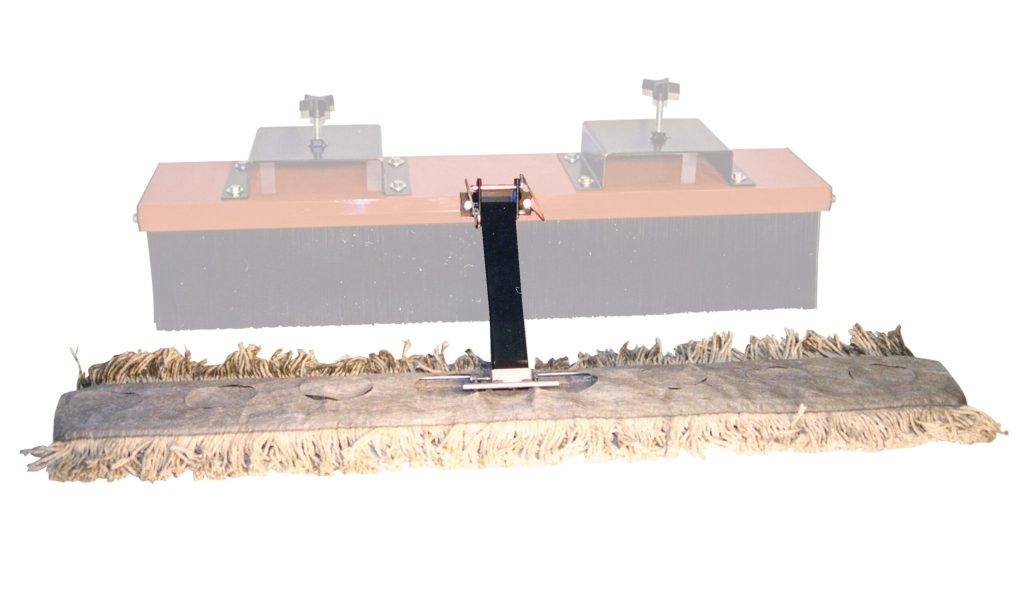
- String mops (cut-end): Most economical; best for general-purpose mopping. Replace when absorbency decreases.
- Looped-end mops: Lint-free, more durable, preferred for healthcare and food service.
- Microfiber flat mops: Best bacteria removal (up to 99% with proper laundering), use less water and chemical, faster dry time. Healthcare and high-hygiene standard applications.
- Wet mop kits: Include mop, wringer bucket, and handle — economy choice for small facilities.
- Mop buckets: Standard double-bucket (solution/rinse), side-press, or downward-press wringer. Side-press is preferred for commercial use — more efficient and sanitary.
Restroom Supply Systems
A complete restroom dispensing program reduces consumption, controls costs, and ensures consistent supply. Key dispenser types:
- Paper towel dispensers: Multi-fold, C-fold, roll (center-pull or stub-roll), touchless electronic
- Toilet tissue dispensers: Single/double standard roll, jumbo roll, coreless roll
- Soap dispensers: Liquid, foam (15–25% less soap per dispense), or powder; manual or touchless
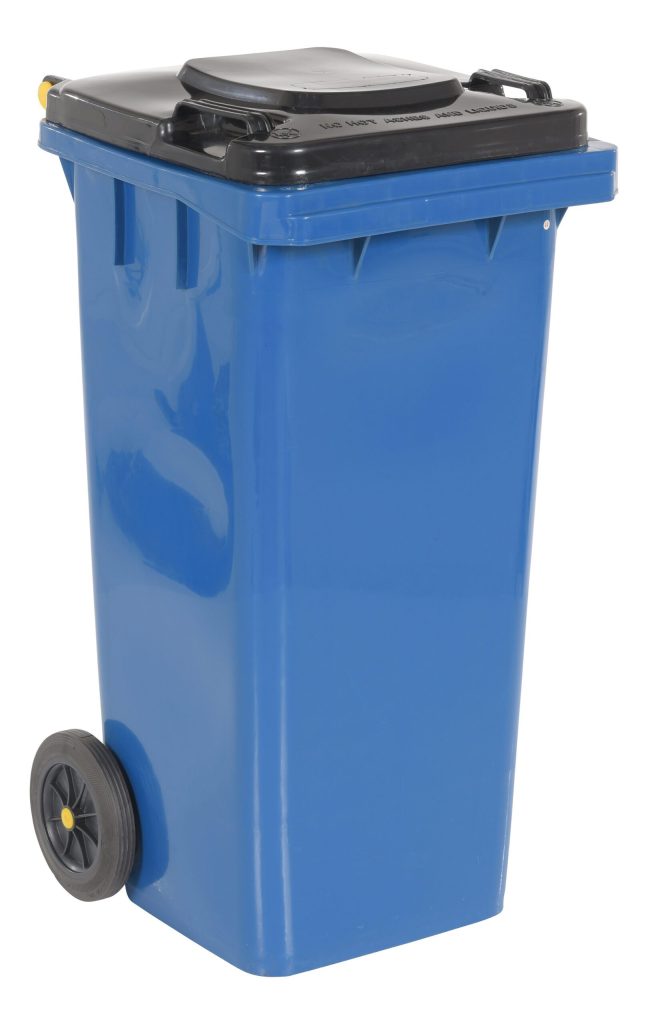
- Waste receptacles: Open top (restroom), step-on lid, or swing-lid; sizes 7–13 gallons typical
Shop Janitorial Supplies
Shop All Janitorial →



Frequently Asked Questions
What is the difference between commercial and consumer cleaning products?
Commercial cleaning chemicals come in concentrated form and cost dramatically less per gallon of ready-to-use solution — typically $0.01–$0.08 per diluted quart vs. $0.50–$2.00 for consumer products. For any facility using 10+ gallons per week, concentrates are almost always more cost-effective.
What type of mop is best for commercial floors?
Microfiber flat mops are the best choice for high-hygiene environments (healthcare, food service) — they remove up to 99% of bacteria when properly laundered and use less chemical. Looped-end string mops are durable and lint-free for general commercial use. Cut-end mops are the most economical for standard janitorial tasks.
What size waste receptacle do I need?
General guidelines: office workstations — 3–10 gallon deskside bins; break rooms and lobbies — 13–23 gallon; restrooms — 7–13 gallon with lid; loading docks and heavy use — 32–55 gallon; outdoor — 44–96 gallon heavy-duty containers.
How often should floor scrubbers be serviced?
Daily inspection (squeegee blades, solution levels, battery charge) and full service every 200–300 operating hours or quarterly. Squeegee blades need replacement every 60–90 days; scrubbing pads every 30–60 days depending on use.
What janitorial supplies do I need for a restroom?
Complete restroom supplies include: toilet tissue with dispenser, paper towel dispenser and towels, soap dispenser and soap, waste receptacle with liner, feminine hygiene dispenser, toilet seat covers, air freshener, and cleaning supplies (disinfectant, bowl cleaner, glass cleaner, scrubber).