Types of Pallet Jacks
| Type | How It Works | Best For | Typical Cost |
|---|---|---|---|
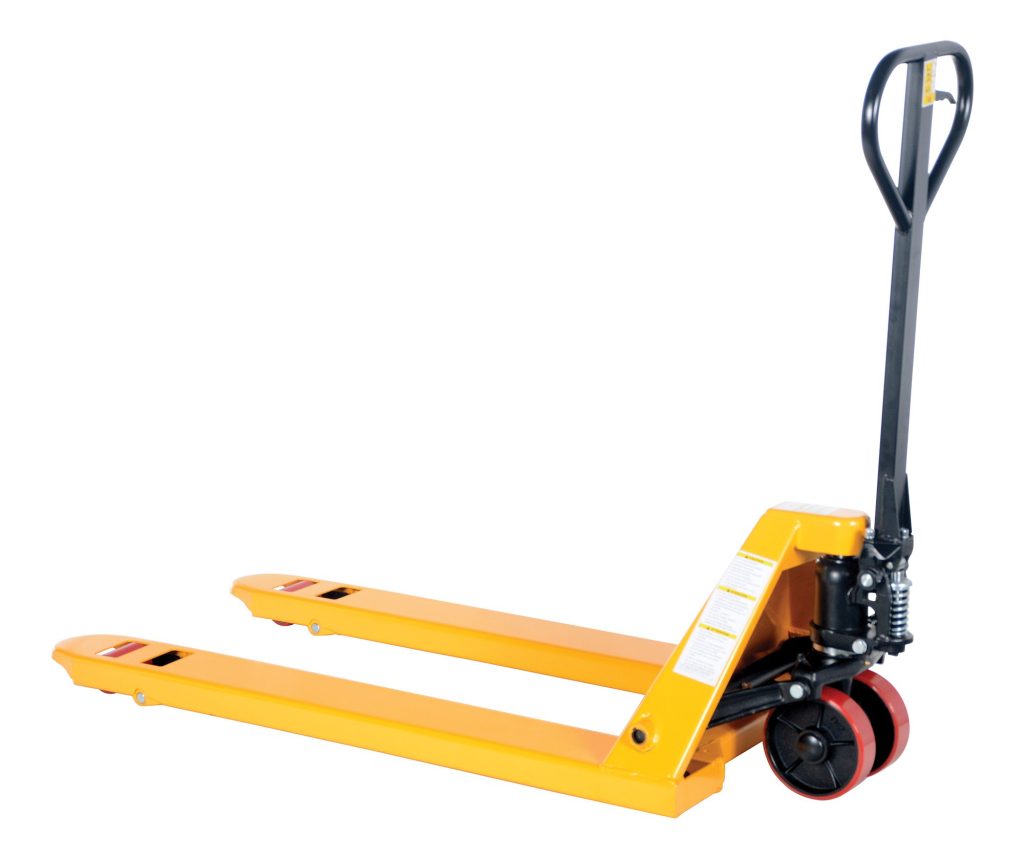
| Manual Pallet Jack | Pump handle to raise; push/pull by hand | Short distances, occasional use, budget-conscious | $400–$900 |
| Electric Walkie | Battery-powered travel; operator walks | Long aisle distances, frequent movement | $3,000–$6,000 |
| Electric Rider | Operator rides on platform at rear | Very long distances, high-volume DCs | $5,000–$12,000 |
| Walkie Stacker | Powered lift up to 144"+ height | Loading/unloading racking | $4,000–$10,000 |
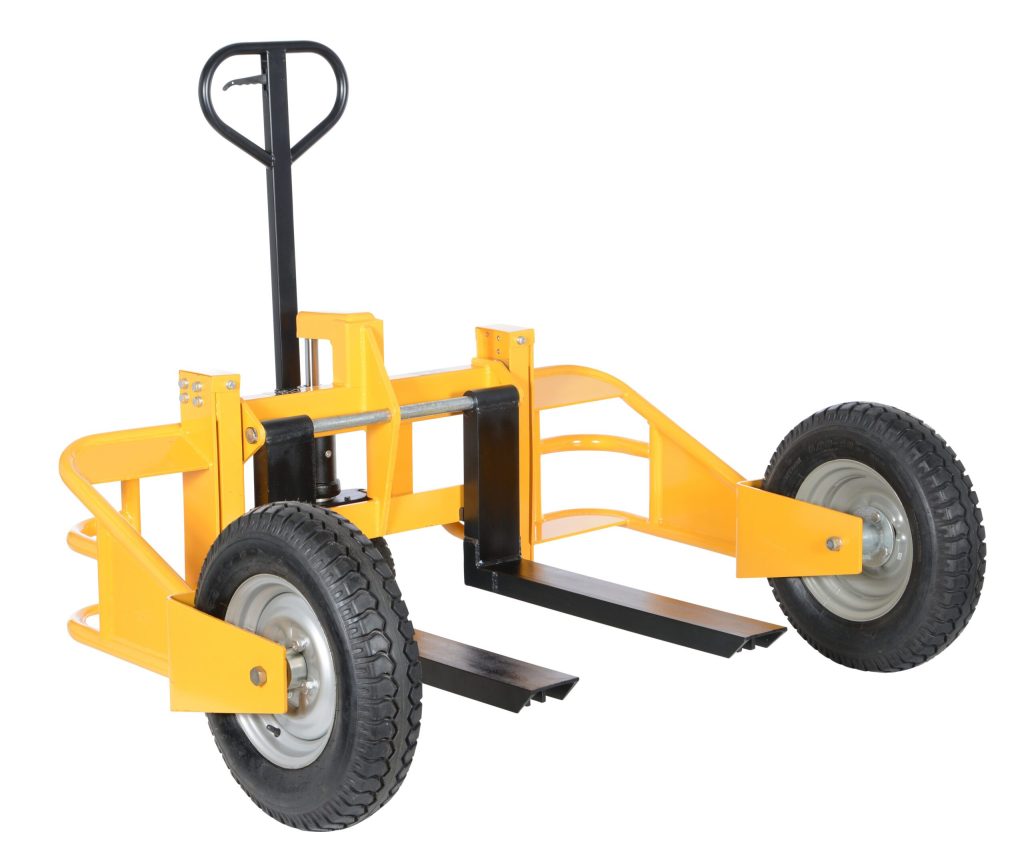
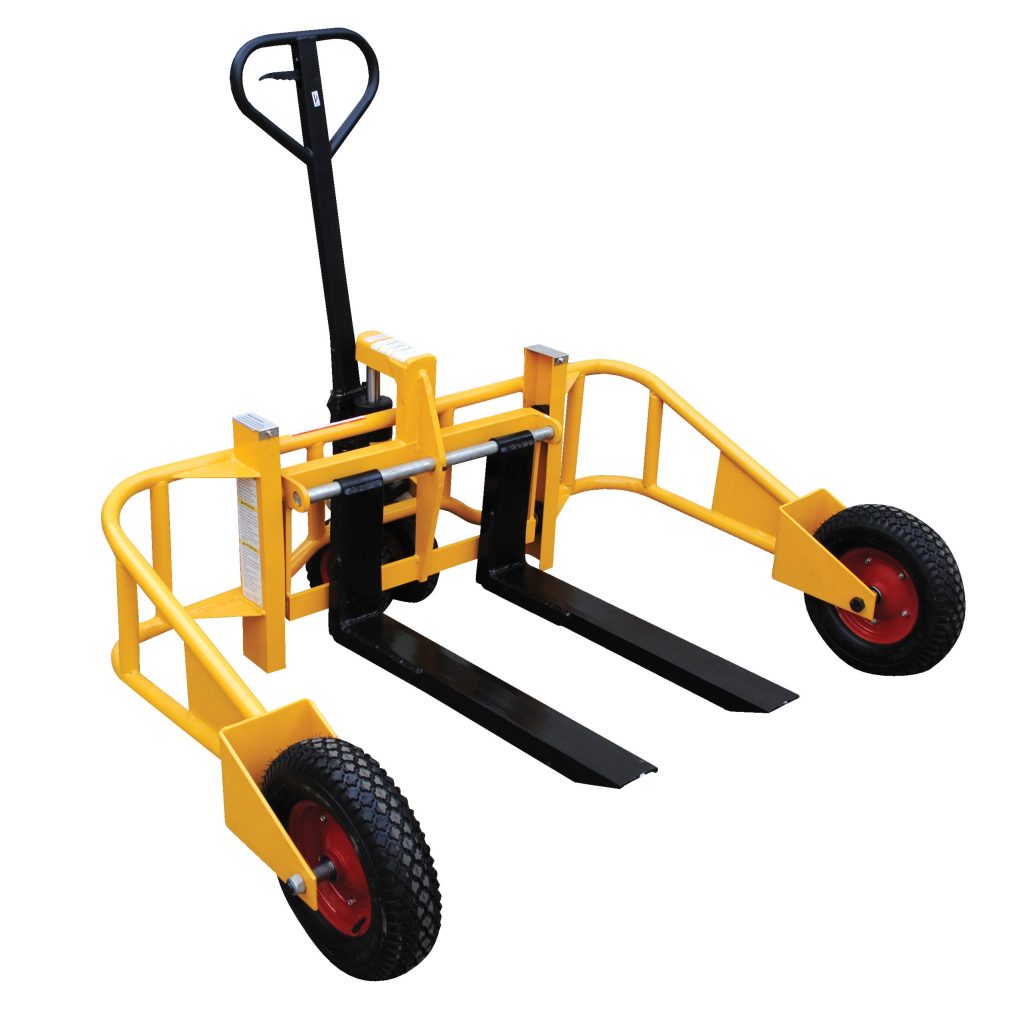
| Rough-Terrain | Large pneumatic wheels, heavy frame | Outdoor, dock plates, uneven surfaces | $1,200–$3,000 |
Capacity: Choosing the Right Weight Rating
Most standard pallet jacks are rated at 5,500 lbs (2,500 kg) — sufficient for the majority of warehouse applications. However, the rated capacity is a maximum, not a working load: always operate at 80–90% of capacity to maintain safety and extend equipment life.
- Standard loads (paper, boxes, plastic goods): 5,500 lb capacity
- Dense materials (metal parts, stone, beverages): 6,600–8,800 lb capacity
- Light duty / tight budget: 4,400 lb models are available for low-frequency use
Fork Dimensions: Width and Length
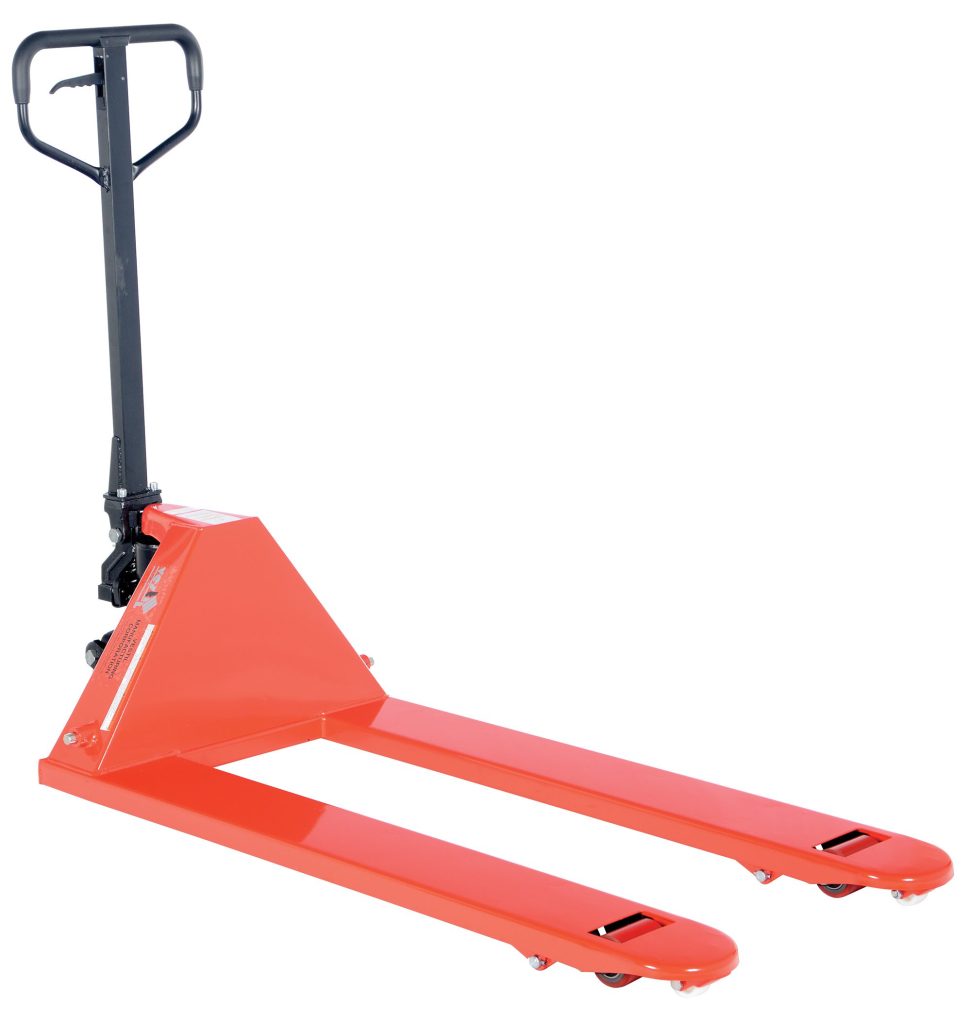
Standard pallet jacks have 27" wide × 48" long forks, which fit standard GMA pallets (40×48"). Key considerations:
- Fork width: Must fit inside the pallet's stringer or block openings. 20–21" forks for narrow pallets; 27" is standard.
- Fork length: 48" handles standard pallets; 60" for long pallets; 36" for compact applications.
- Lowered height: Standard is 2.9–3.3". For low-clearance pallets or block pallets, verify clearance.
Floor Type & Wheel Selection
The type of wheels determines where a pallet jack can safely operate:
- Polyurethane wheels: Standard. Best for smooth concrete floors. Quiet and non-marking.
- Nylon wheels: Harder, good for heavy loads on smooth floors. Not recommended for slippery surfaces.
- Semi-pneumatic / cushion: Handles dock plate lips, small gaps, and slightly rough surfaces.
- Pneumatic: True outdoor capability on gravel, asphalt, and uneven ground.
Manual vs. Electric: When to Upgrade
50+
Pallet moves/day where electric pays for itself in 12–18 months
100'
Travel distance where electric becomes significantly faster
8 hr
Typical shift life on a single electric charge
Manual pallet jacks are ideal for operations moving fewer than 30–40 pallets per day over short distances. For higher volume, an electric walkie typically pays for itself in labor savings within 12–18 months and significantly reduces operator fatigue and injury risk.
Shop Pallet Jacks
Shop All Pallet Jacks →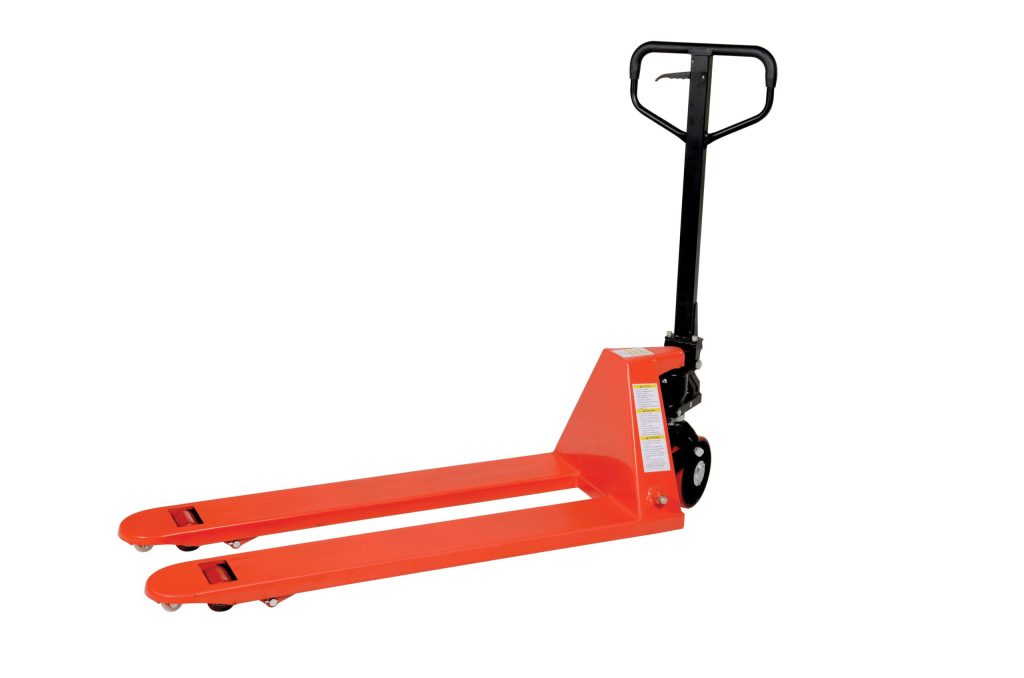

Frequently Asked Questions
What capacity pallet jack do I need?
Standard pallet jacks have a capacity of 5,500 lbs, which handles most commercial pallets. For heavier loads such as stone, metal parts, or dense industrial materials, select a 6,600–8,800 lb capacity model. Always choose a capacity rating above your maximum expected load.
What is the difference between a manual and electric pallet jack?
Manual pallet jacks are operated by pumping a handle to raise the forks, then pushing or pulling the load. They cost less ($400–$900) and require no charging. Electric pallet jacks have a battery-powered drive motor — ideal for long travel distances or operators who move pallets dozens of times per day. Electric models cost $3,000–$8,000+.
What fork dimensions do I need for my pallet?
Standard pallet jacks have 27" wide by 48" long forks, which fit standard 40×48 wood pallets. For narrow-aisle applications, 20–21" wide forks are available. For long pallets (longer than 48"), select a pallet jack with 60" forks.
Can pallet jacks be used on uneven or outdoor surfaces?
Standard pallet jacks with hard polyurethane wheels are designed for smooth, level concrete floors. For dock plates, rough surfaces, or outdoor use, select a model with pneumatic or semi-pneumatic wheels. Rough-terrain models and powered walkie stackers are available for outdoor applications.
What is a walkie stacker and how is it different from a pallet jack?
A walkie stacker can both move and lift pallets to height — typically 60 to 192 inches of lift. A standard pallet jack only raises forks a few inches off the floor. Use a stacker when you need to place pallets on racks or elevated surfaces.