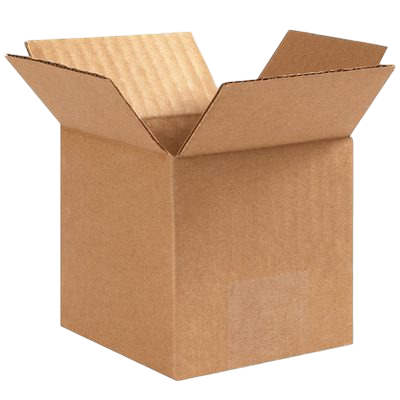
Packing Station Supplies Checklist: 15 Warehouse Musts
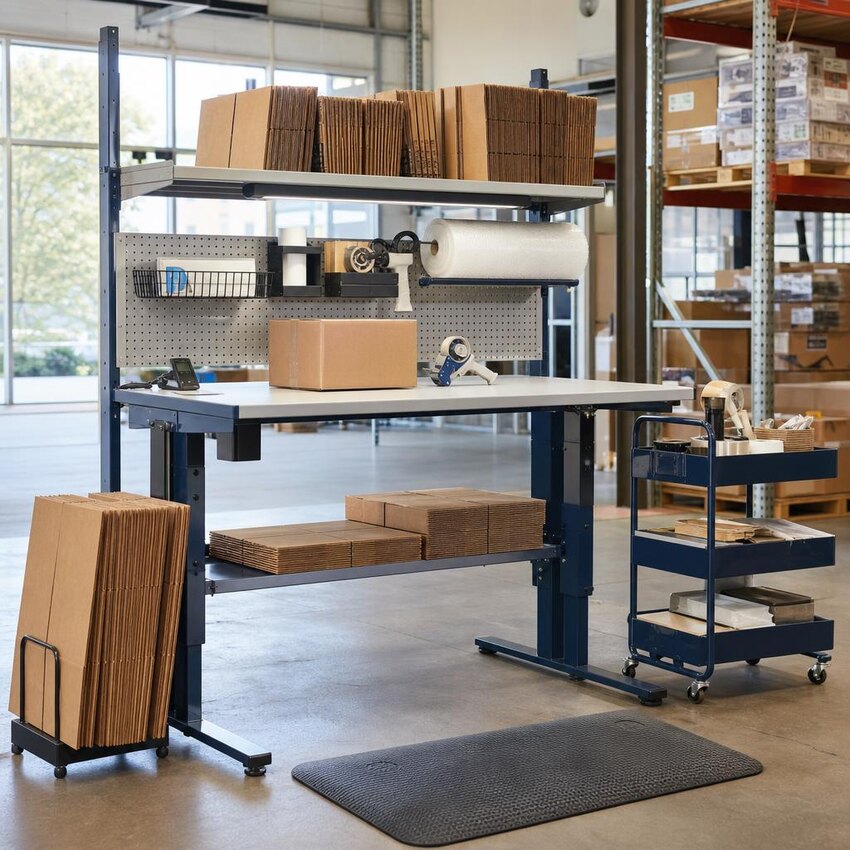
One missing roll, label, or box size slows every carton behind it, yet most stations fail on stock, not effort. That scale matters because the U.S. Environmental Protection Agency containers and packaging data reported 82.2 million tons of containers and packaging generated in 2018, representing 28.1% of total U.S. municipal solid waste generation. Your packing station supplies checklist should map to how work moves.
Use five zones in a right handed flow. Start at the work surface, then sealing, cushioning and cartons, labeling, and weighing and cleanup. Keep tape and labels at arm reach, stock box sizes by frequency, and align replenishment with real-time task updates for logistics teams. Each item below connects to an in stock category with volume pricing, so you can audit fast and order by the case or pallet.
Table of Contents
- 1. Packing Table or Packing Bench
- 2. Anti-Fatigue Floor Mats
- 3. Workstation Bins and Tool Organizers
- 4. Packing Tape Dispensers
- 5. Packing Tape
- 6. Stretch Wrap and Hand Film Dispensers
- 7. Corrugated Shipping Boxes
- 8. Void Fill and Packing Paper
- 9. Bubble Cushioning and Protective Pads
- 10. Thermal Label Printers
- 11. Shipping Labels and Label Rolls
- 12. Packing List Envelopes
- 13. Bench and Floor Scales
- 14. Box Cutters and Safety Knives
- 15. Waste and Recycling Bins
- Packing Station Supplies at a Glance
- Set Up Your Station, Then Shop In Stock
1. Packing Table or Packing Bench

Your table anchors the station. Build, fill, seal, and label on one flat, sturdy surface, usually steel or heavy duty laminate on a steel frame. Check load rating, top size, and height on the spec sheet, since they vary by model. Browse options in the packaging and shipping department and set identical stations in a row so any packer can use any spot.
- Set the flow: Work left to right, with first reach supplies on the dominant side.
- Keep the top clear: Store tools in bins beneath or beside the surface.
- Buy matched stations: Order tables together for volume pricing and consistent layout.
2. Anti-Fatigue Floor Mats
Standing on concrete all shift punishes feet, knees, and backs. Don't treat a mat as a cure by itself. The OSHA warehousing hazards and solutions guidance recommends anti-fatigue mats or supportive footwear, mechanical stretch wrapping, job rotation, and work and rest cycles. It also puts high volume work near standing elbow height.
Choose width, length, thickness, and surface texture from the spec sheet. Confirm slip resistance before you buy. Say a line places one mat at each station, plus a larger mat where staff stand longest. Keep mats out of cart paths, replace them on schedule, and hold spares for cleaning rotation.
3. Workstation Bins and Tool Organizers
Searching breaks rhythm. Front facing bins keep tape, scissors, labels, and small parts where your hands already are. Wall mounted racks free the packing surface when bench space is tight, but they fail if packers must turn fully around to reach them.
Fixed home rule: If a tool doesn't have one labeled spot, you'll lose time looking for it every shift.
- Label every bin: Add the item name and reorder point.
- Size to the supply: Match bins to your smallest and largest daily items.
- Buy matched sets: Uniform bins restock faster across stations.
4. Packing Tape Dispensers
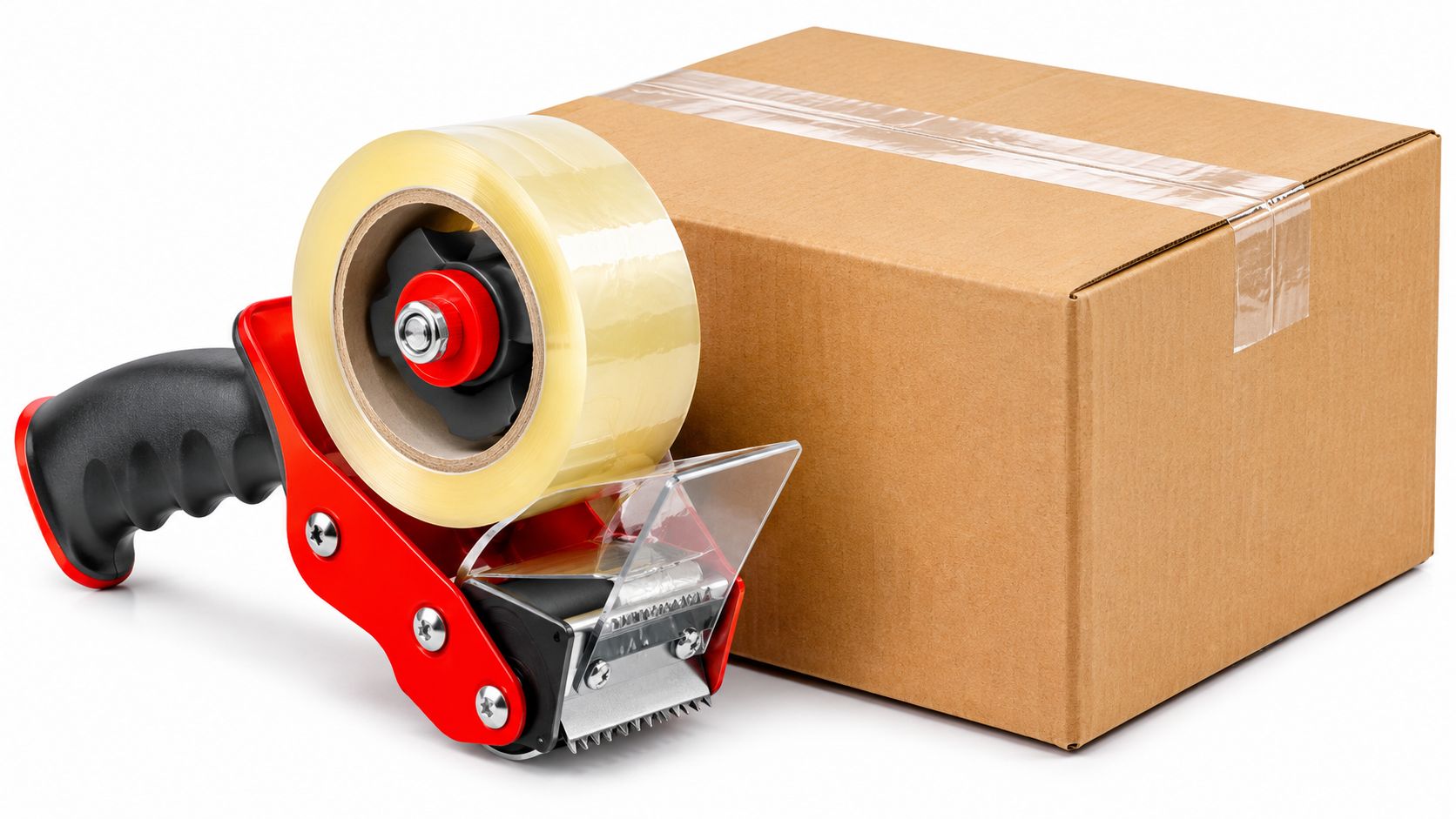
A dispenser holds the roll, controls tension, and cuts cleanly. Loose rolls waste tape and slow sealing. Manual handheld models suit light, occasional work. Tabletop or machine dispensers earn their space at high volume stations. Compare core size, tape width fit, and cutting method before you commit.
Shop packing tape dispensers and machines for both types. Say an e-commerce team puts a tabletop unit at each station and keeps handhelds for overflow. Match the dispenser to your main tape width first, keep a spare blade ready, and place it in the same spot everywhere.
5. Packing Tape
Tape fails when you pick by price alone. Adhesive, backing, width, carton weight, and storage temperature all matter. 2 inch tape suits many light cartons, while 3 inch tape gives heavier cartons more seam contact. Check tensile strength and adhesion on the manufacturer spec sheet, then test a sample carton before switching the whole line.
Use our 2 mil vs 3 mil packing tape guide to compare thickness before you stock up. Say a fulfillment center runs 3 inch tape for heavy orders and 2 inch for light orders. Buy by the case for volume pricing and store rolls cool and dry.
6. Stretch Wrap and Hand Film Dispensers
Stretch wrap secures pallet loads and bundles loose cartons into one unit. A hand dispenser or stand beats wrestling a roll by hand. It's faster, more even, and easier on wrists during repeated wraps.
Film gauge, width, and roll length drive both hold and cost. Manufacturers publish gauge in microns or gauge units, so check the exact spec. Heavier, sharp, or uneven loads need stronger film. Lighter, uniform bundles don't. Say a warehouse wraps small orders at a hand film stand, then uses heavier film for outbound pallets. Choose a dispenser that holds a full roll, and buy by the case or pallet.
7. Corrugated Shipping Boxes

Stock boxes by order frequency. Keep your top three or four sizes at the carton end of the bench, next to void fill, and put slow movers on a shelf within reach. Boxes and cartons represented 61.20% of packaging formats in 2025, according to Mordor Intelligence e-commerce packaging data. With that volume, right sizing becomes a daily cost decision: an oversized carton burns void fill and raises damage risk when contents shift.
Use the corrugated box sizes chart to compare dimensions against your actual product mix, then shop corrugated shipping boxes. Check edge crush or burst rating on each spec sheet and buy a grade that matches stacking and handling. For pallet quantities or custom sizes, contact a Material Handling USA product specialist by phone.
8. Void Fill and Packing Paper
Paper void fill stops movement, and movement causes damage. Kraft packing paper wraps parts and fills corners. Crinkle paper suits lighter goods like folded apparel. Both are easy to tear, shape, and recycle, but light paper won't control a heavy part that shifts in transit.
Shop packaging paper by weight and format for your products. Fill until the item can't shift when you shake the closed box. If it moves, add paper or downsize the carton. Choose heavier paper for heavy or fragile items, and buy by the case to match daily use without crowding the bench.
9. Bubble Cushioning and Protective Pads
Paper fills space. Cushioning absorbs shock. Bubble wrap, air pillows, and foam pads protect fragile surfaces and edges, while corner protectors guard carton and pallet edges. Bubble size and film thickness change performance, so check the spec sheet instead of guessing.
- Small bubble: Works well for light, fragile items like glass lab goods wrapped before boxing.
- Larger cushioning: Suits bulkier items that need more loft around corners.
- Edge protection: Add it when straps or stacking can crush corners.
Wrap items fully before boxing. Partial wraps leave the impact point exposed. Buy in cases on high volume lines for lower unit cost.
10. Thermal Label Printers
A thermal printer prints shipping labels, barcodes, and product tags on demand with heat, so there's no ink or toner to manage. That only helps if your carrier and shipping software support the model. Confirm compatibility before you buy, not after setup fails.
Check print width, print speed, and connectivity on the spec sheet. Say a fulfillment team prints labels straight from its order system at the bench, while a lab prints barcode tags for sample tracking. Choose thermal transfer labels when labels must last longer. Keep a cleaning kit at the station, since dirty print heads cause faint barcodes and rescans.
11. Shipping Labels and Label Rolls
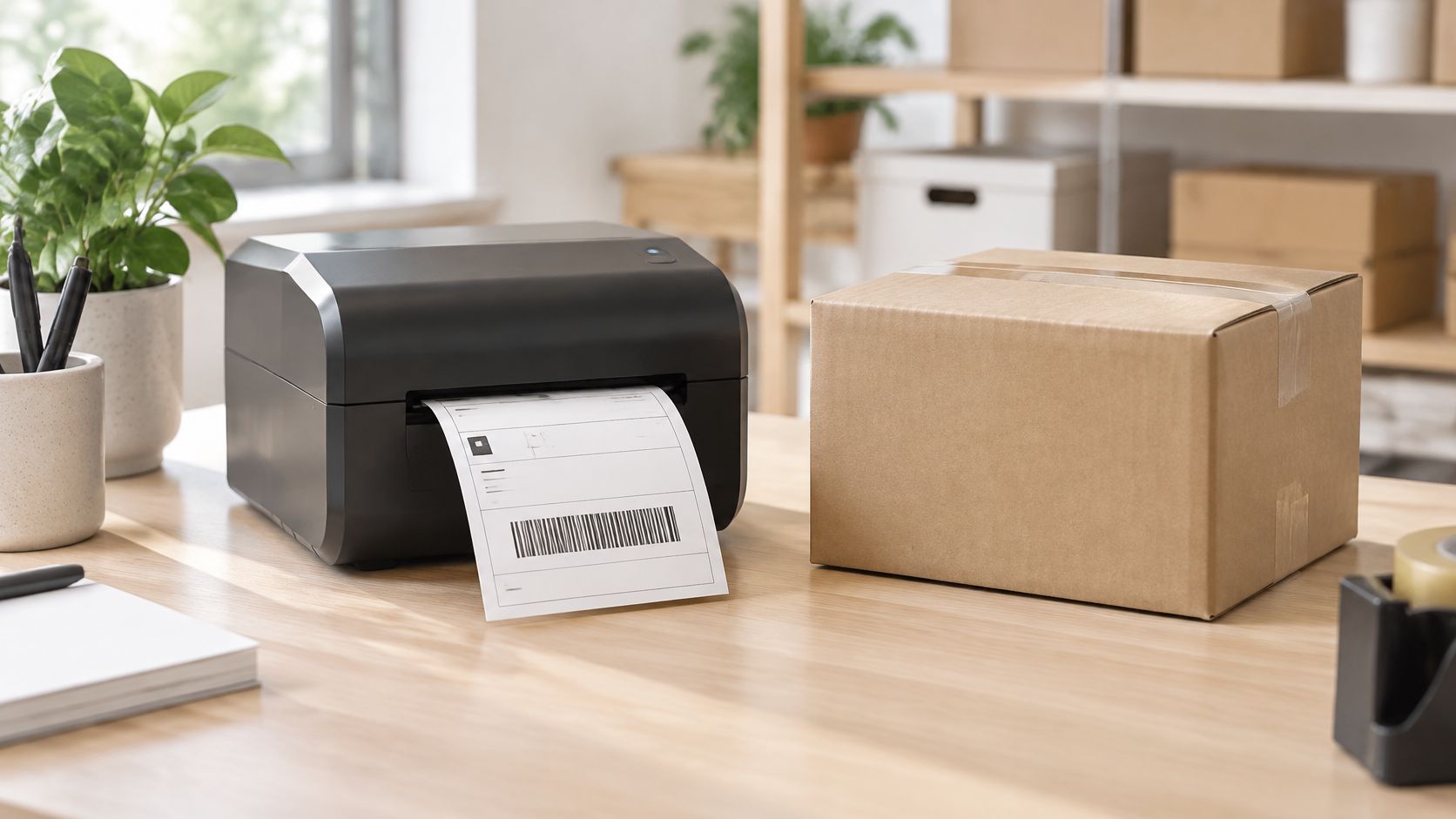
Labels must stay flat, visible, and scannable. The USPS package guidance directs shippers to place a label parallel to the package's longest side, put all labels on the same side, and avoid folding or bending labels over an edge. A dedicated label surface or dispenser helps packers do that every time.
Match label size and material to your carrier and printer. Review the shipping label sizes 4x6 thermal guide before ordering rolls. Store labels away from heat and sunlight, and test a few on a sample carton before a full run.
12. Packing List Envelopes
A packing list envelope keeps the slip visible on the outside of the carton, so receiving staff don't need to open the box to check contents. Clear, adhesive backed envelopes work for standard slips, invoices, and manifests. Size the envelope to the slip you print. Too small forces folding. Too large can peel at the corners.
Say a retailer puts the envelope on the top panel of every outbound carton, in the same position. A lab uses the same method for a sample manifest on sensitive shipments. Test adhesive on your actual corrugated before buying in bulk, then order by the case.
13. Bench and Floor Scales
Weigh before you label. A bench scale catches pick errors and keeps carrier charges honest. A floor scale handles pallet loads before wrapping. Pick capacity for your heaviest package and readability fine enough for your lightest one. Both values vary by model, so check the spec sheet.
If you weigh for sale or billing, the rules change. NIST weighing and scales guidance says commercial scales must comply with state law, and all 50 states have adopted NIST Handbook 44. Look for an active NTEP Certificate of Conformance and required state inspection. Tare the empty box, then weigh.
14. Box Cutters and Safety Knives
Dull blades make packers push harder. That's when cuts happen. Retractable or shielded safety knives reduce exposed blade time when opening cartons and trimming film or paper. Handle comfort and fast blade changes matter more at volume than a low unit price.
Watch safe handling and blade control in practice before you standardize one model.
Assign one cutter per station, store it in a fixed holder, and keep spare blades there. Replace blades as soon as cuts turn rough. Train staff to cut away from the body and retract the blade after every use.
15. Waste and Recycling Bins
Scrap on the floor slows packers and creates slip risk. Put one bin for cardboard and one for film at each station, sized to your shift volume. Color coding and clear labels help staff sort tape cores, film, and corrugated without thinking about it.
Say a warehouse places a cardboard bin beside each station to keep aisles open and empties bins at set times. That discipline also shows where waste builds up, a pattern you can map with causal loop diagrams for waste systems. Check bin capacity and material on the spec sheet, and don't let overflow become your signal to empty.
Packing Station Supplies at a Glance
| Item | Station Zone | Key Spec to Check | Buy Format | Best For |
|---|---|---|---|---|
| Packing Table or Packing Bench | Zone 1: Work Surface | Load rating, top dimensions, working height, frame material | By workstation or model | A sturdy, consistent packing surface |
| Anti-Fatigue Floor Mats | Zone 1: Work Surface | Thickness, slip resistance, size, edge design | By mat; sizes vary | Reducing fatigue during long shifts |
| Workstation Bins and Tool Organizers | Zone 1: Work Surface | Bin dimensions, compartments, mounting or stacking options | By bin or matching set | Keeping tools and supplies within reach |
| Packing Tape Dispensers | Zone 2: Sealing | Core size, tape width compatibility, cutting method | Manual, tabletop, or automatic models | Faster, cleaner carton sealing |
| Packing Tape | Zone 2: Sealing | Width, adhesive type, backing, strength, core size | By roll or case | Sealing cartons to suit their weight and storage conditions |
| Stretch Wrap and Hand Film Dispensers | Zone 2: Sealing | Film width and thickness, film type, roll compatibility | By roll, case, or pallet | Securing pallet loads and bundled items |
| Corrugated Shipping Boxes | Zone 3: Cushioning and Cartons | Dimensions, wall type, edge crush or burst rating | By case; custom or pallet quantities may be available | Shipping products in appropriately sized cartons |
| Void Fill and Packing Paper | Zone 3: Cushioning and Cartons | Paper weight, sheet size or roll width, material type | By roll or case | Filling box voids with recyclable cushioning |
| Bubble Cushioning and Protective Pads | Zone 3: Cushioning and Cartons | Bubble size, film thickness, cushioning type | By roll or sheet; cases available | Protecting fragile items and pallet edges |
| Thermal Label Printers | Zone 4: Labeling | Print width and speed, connectivity, printer mode, roll capacity | By printer model | Printing shipping labels and barcodes on demand |
| Shipping Labels and Label Rolls | Zone 4: Labeling | Label size, printer compatibility, adhesive, liner type | By roll or case | Printing scannable shipping and tracking labels |
| Packing List Envelopes | Zone 4: Labeling | Envelope size, material, adhesive or closure | By pack or case | Keeping packing slips visible and protected |
| Bench and Floor Scales | Zone 5: Weighing, Cutting, and Cleanup | Capacity, readability, platform size, calibration needs | By scale model | Checking package or pallet weights before shipping |
| Box Cutters and Safety Knives | Zone 5: Weighing, Cutting, and Cleanup | Blade design, handle comfort, replacement blades | By cutter; spare blades sold separately on many models | Opening cartons and trimming packaging safely |
| Waste and Recycling Bins | Zone 5: Weighing, Cutting, and Cleanup | Capacity, material, opening or lid, mobility | By bin; configurations vary | Sorting station waste and keeping the area clear |
Set Up Your Station, Then Shop In Stock
Your packing station is only as good as the zone that runs out first. Audit by zone, in flow order, and write down what packers reach for. Replenishment ties into broader e-commerce inventory management strategies, but the station audit stays simple.
How to Choose and Restock
- Audit five zones: Work surface, sealing, cushioning and cartons, labeling, and weighing and cleanup. Follow the path a package takes from bench to scale.
- Rank box sizes by frequency: Count recent orders. Keep top sizes at arm reach, move slow sizes to nearby shelves.
- Set reorder points: Mark bin and shelf levels for tape, labels, paper, film, and envelopes before they run out. A visible line beats a mental note.
- Check specs before bulk buys: Confirm tape width, label and printer fit, scale capacity, and box strength rating.
- Order consumables by the case: Use volume pricing on steady-use items, and keep one backup roll or bundle per station.
More stock at the bench isn't always better. Excess cartons block reach, hide tools, and turn your station into storage.
Two questions come up most: how many box sizes to carry and which tape to stock. Start with sizes that cover most orders, then add a size only when void fill use proves the gap. Match tape width and thickness to carton weight and dispenser fit. Buy bulk once usage is steady and storage won't crowd the station.
Shop in Stock
Start with the full packaging and shipping categories for your audit. Then fill gaps with tape dispensers and sealing machines, packaging paper for void fill, and corrugated shipping boxes in stock. Material Handling USA, based in Salt Lake City since 1997, lists 58,000+ in-stock SKUs and ships nationwide. For pallet quantities, custom sizes, or a quote on project-size orders, reach a U.S. product specialist by phone through the Material Handling USA website.
Stock your five zones from one vendor, keep consumables on volume pricing, and stop losing minutes to missing tape, labels, or cartons. Visit Material Handling USA to shop packing tables, sealing, cushioning, labeling, and cleanup supplies in stock. Reach a U.S. product specialist by phone through the website when you need pallet quantities, custom sizes, or a project quote.